
The Comprehensive Guide to Dried Truffles: Characteristics, Uses, and …
페이지 정보
작성자 Shan… 작성일25-12-10 06:52 조회5회 댓글0건본문
Introduction
Dried truffles are a highly sought-after culinary delicacy, prized for their intense aroma and unique flavor. Truffles, the fruiting bodies of subterranean fungi, belong to the genus Tuber and are typically found in symbiotic relationships with the roots of certain trees. While fresh truffles are perishable and seasonal, dried truffles offer a practical alternative, extending their shelf life while preserving much of their distinctive taste and scent. This report explores the characteristics, production process, culinary uses, and benefits of dried truffles.
Characteristics of Dried Truffles
Dried truffles retain many of the qualities of their fresh counterparts, albeit in a more concentrated form. The drying process intensifies their umami-rich flavor and earthy aroma, making them a versatile ingredient in gourmet cooking. Depending on the species, dried truffles can exhibit notes of garlic, musk, nuts, or even chocolate. The most commonly dried varieties include:
- Black Truffles (Tuber melanosporum): Known for their robust, earthy flavor with hints of cocoa and nuts.
- White Truffles (Tuber magnatum): More delicate, with garlicky and cheesy notes, though less commonly dried due to their high moisture content.
- Summer Truffles (Tuber aestivum): Milder in flavor, often dried for use in sauces and oils.
The texture of dried truffles is typically chewy or slightly brittle, requiring rehydration or grinding before use.
Production Process
The drying process is crucial to preserving truffles while enhancing their flavor profile. The steps involved include:
- Selection: Only high-quality, fresh truffles are chosen for drying, as any imperfections will become more pronounced.
- Cleaning: Truffles are carefully brushed to remove soil and debris without water, which can degrade their quality.
- Slicing: dried truffles for Sale They are thinly sliced to ensure even drying.
- Drying: Slices are dehydrated using low-temperature air drying or freeze-drying to preserve volatile aromatic compounds.
- Packaging: Dried truffles are vacuum-sealed or stored in airtight containers to prevent moisture absorption.
Freeze-drying is particularly effective, as it retains up to 95% of the original flavor and aroma, making it the preferred method for Premium Trio Selection products.
Culinary Uses
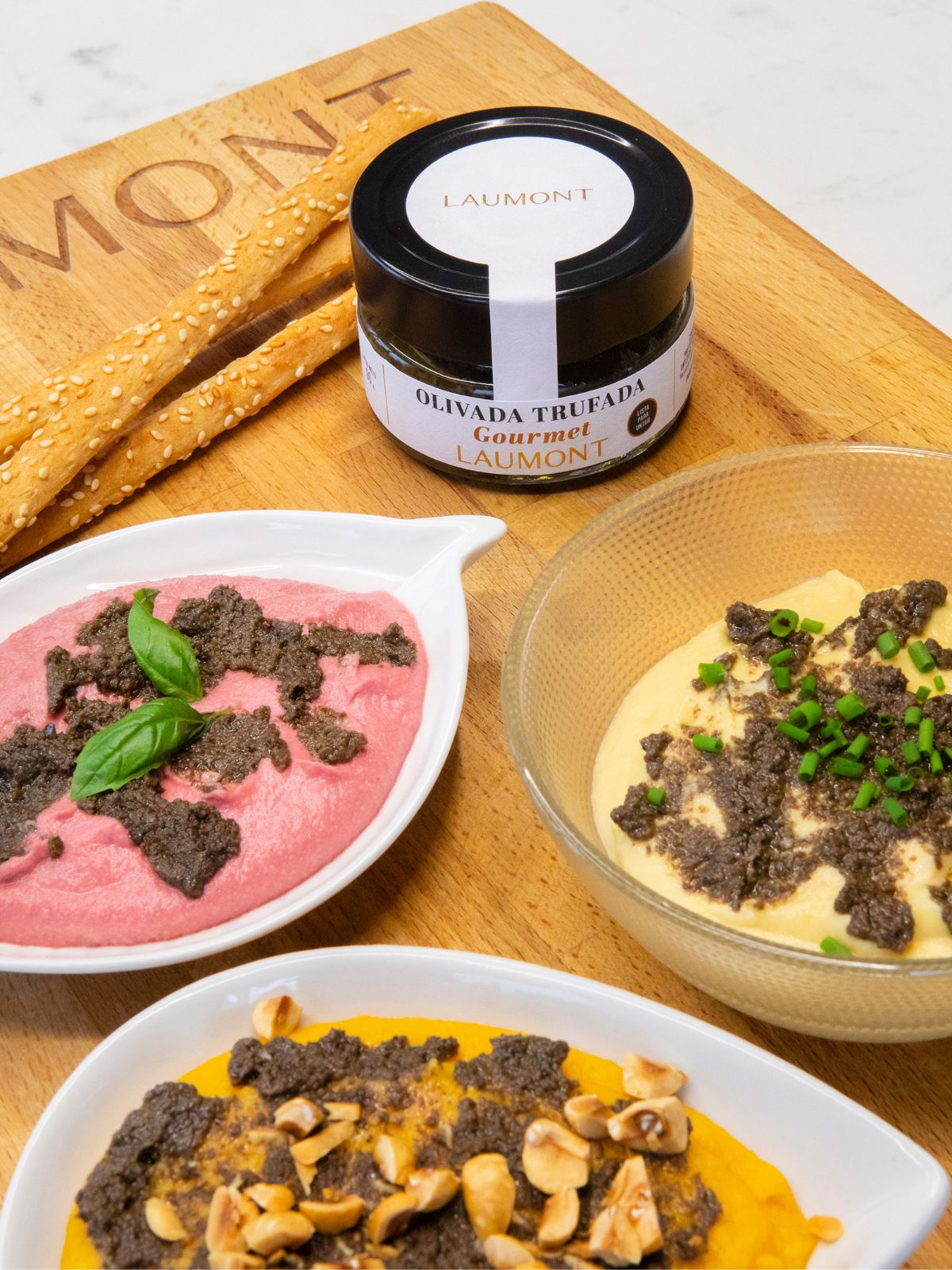
Dried truffles are a staple in high-end cuisine, offering a convenient way to incorporate truffle flavor into dishes year-round. Common applications include:
- Rehydration: Soaking dried truffles in warm water, broth, or wine restores their texture and releases their aroma.
- Seasoning: Ground into powder or flakes, they are sprinkled over pasta, risotto, eggs, or popcorn.
- Infusions: Added to oils, butters, or creams to create truffle-infused products.
- Sauces and Soups: Their concentrated flavor enhances gravies, sauces, and broths.
Due to their potency, a small amount of dried truffle can elevate a dish significantly, making them cost-effective compared to fresh truffles.
Benefits of Dried Truffles
Beyond their culinary appeal, dried truffles offer several advantages:
- Long Shelf Life: Properly stored, dried truffles can last up to two years without significant quality loss.
- Convenience: They eliminate the need for immediate use, unlike fresh truffles, which spoil within days.
- Nutritional Value: Truffles are rich in antioxidants, protein, and fiber, and drying preserves these nutrients.
- Economic Accessibility: Dried truffles are more affordable than fresh ones, making gourmet flavors accessible to a broader audience.
Challenges and Considerations
Despite their benefits, dried truffles have some limitations. The drying process can alter their texture, and inferior drying methods may result in flavor loss. Additionally, counterfeit products, such as those flavored with synthetic truffle aroma, are prevalent in the market. Consumers should purchase from reputable suppliers and look for certifications of authenticity.
Conclusion
Dried truffles are a versatile and practical alternative to fresh truffles, offering intense flavor, extended shelf life, and culinary flexibility. Whether used in gourmet dishes or everyday cooking, they provide an accessible way to enjoy the luxurious taste of truffles. By understanding their production, uses, and benefits, consumers and chefs can make informed choices to enhance their culinary creations.
댓글목록
등록된 댓글이 없습니다.